
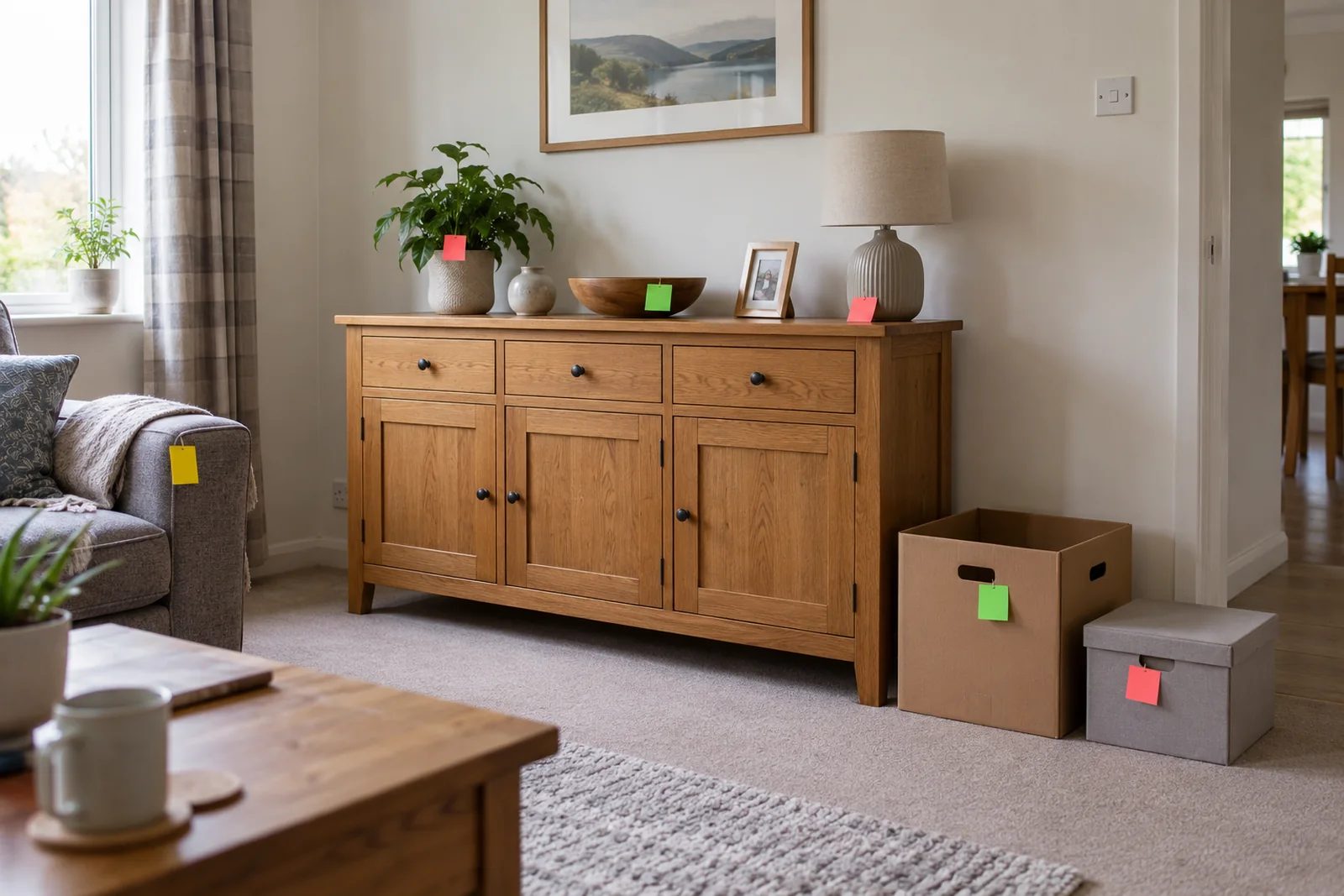
Whether relatives are helping or several people have belongings in the same house, start with a list everyone can follow. You can make useful progress without rushing the items that need more thought.
Choose one person to keep the agreed list
Choose one person to keep the current list and pass on the agreed collection details. They do not need to make every decision. Their job is to record what has been agreed, who still needs to answer and which items must stay. Give each room a simple name so everyone describes the same place.
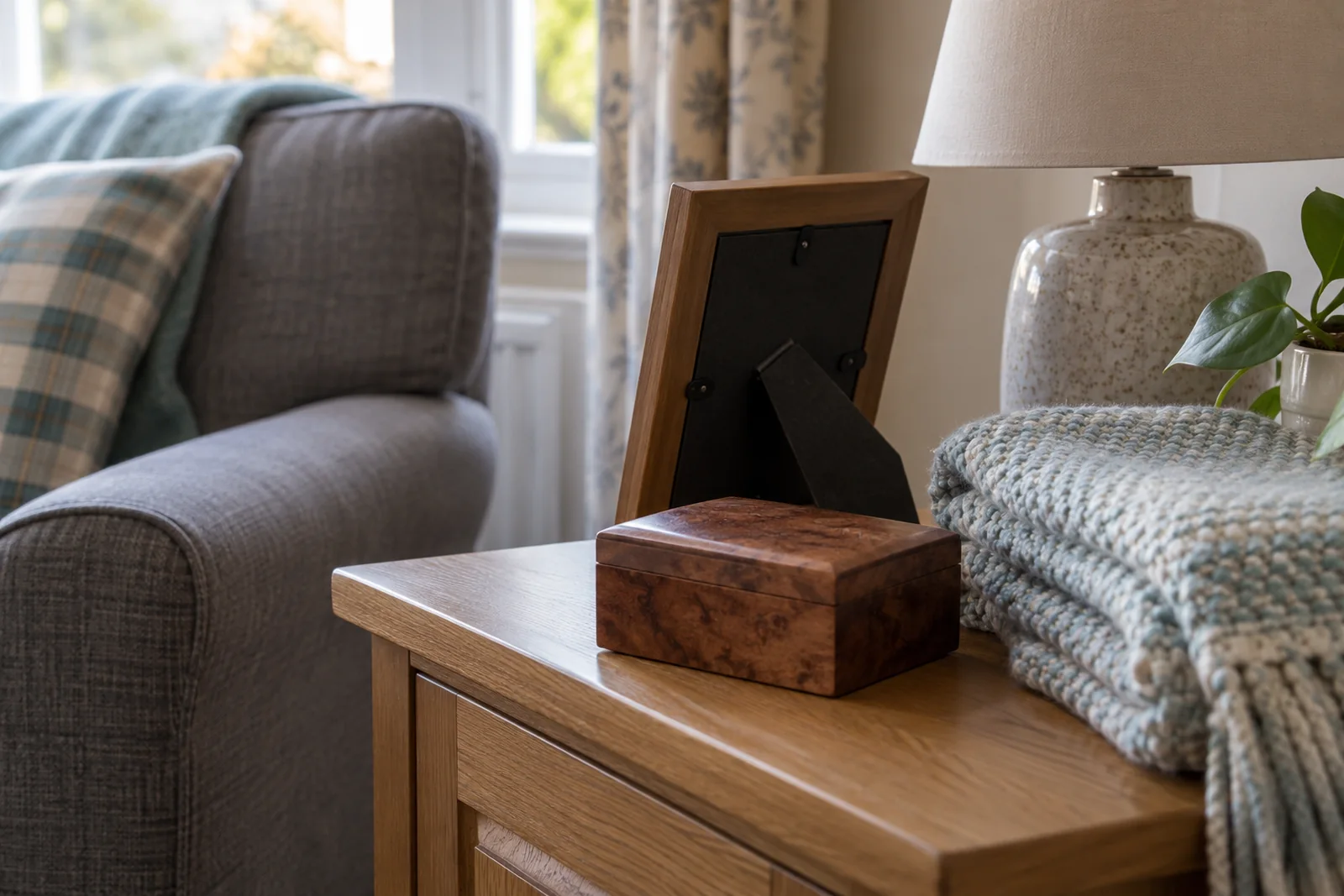
List belongings clearly enough to recognise them later. “Small oak table in the front room” is more useful than “old furniture”. Add a photograph where similar items could be confused. Keep the list somewhere the people involved can use, and tell helpers which version is current before they start moving anything.
Be clear about who needs to agree before a particular item leaves. If someone is away, send a photograph and give them a sensible time to reply. No reply is not the same as agreement. Where there is doubt about who can decide, leave that item alone while the right person is contacted.

Give undecided belongings their own space
Use a separate room, shelf or clearly marked part of a room for items still being discussed. Keep it away from the rubbish awaiting collection. A coloured tag can help, but explain what the colours mean to everyone helping. Avoid relying on a loose note that could fall off or move to another box.

Empty-looking cupboards can still hold papers, keys, jewellery or small keepsakes. Let the person responsible look through the contents before a cupboard or drawer is added to the load. Keep personal documents somewhere private rather than in an open sorting pile. Do not pack them into a box that is also being used for waste.
Work in manageable batches instead of emptying every room at once. Finish the agreed decisions for one cupboard or corner, then move on. The garage clearout guide has practical advice on separating things to keep, reuse and remove. Here, add a fourth group for anything that still needs an answer.
Arrange reuse before setting the collection date
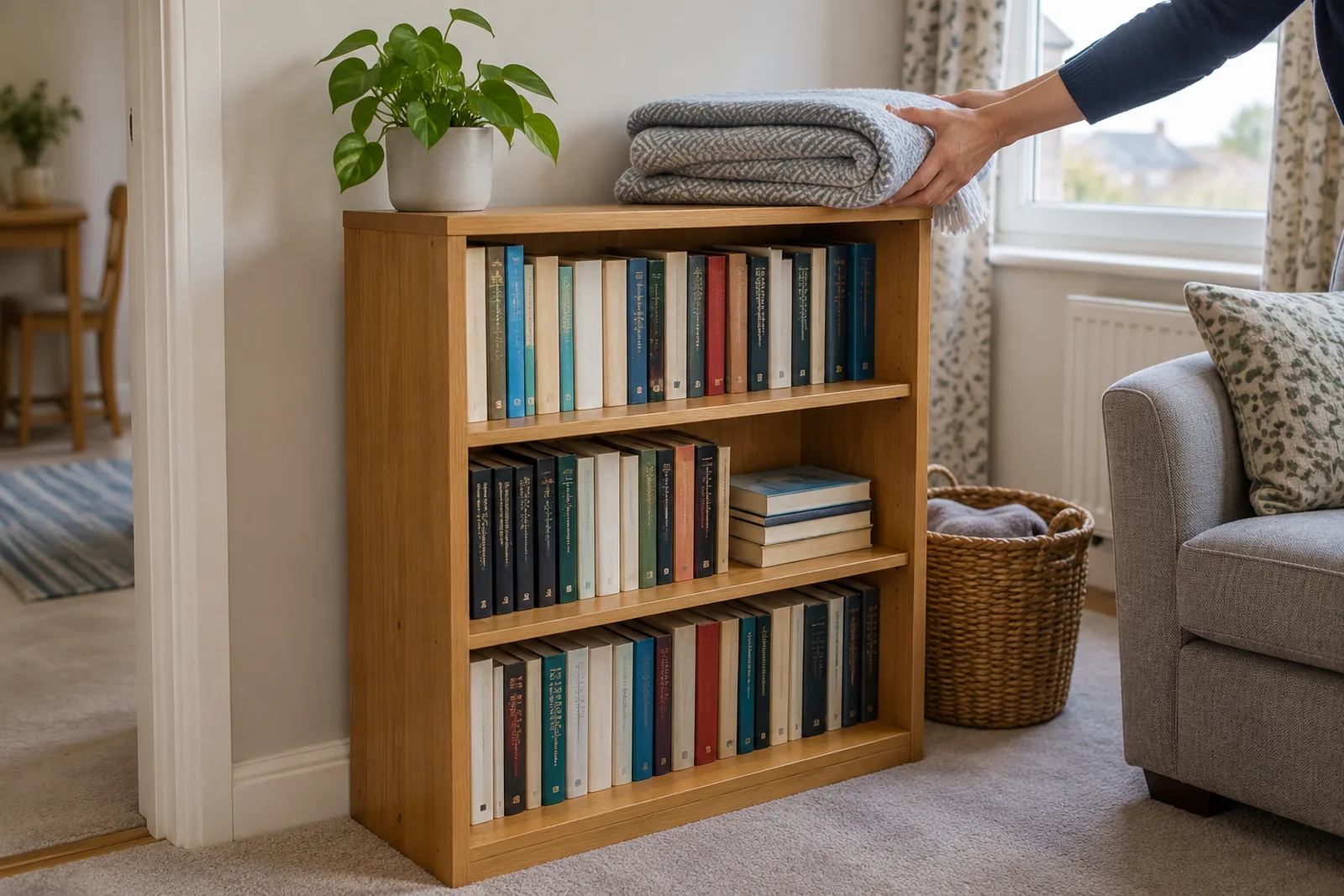
Once everyone agrees an item can leave, decide whether it is still useful. A sound bookcase, spare chair or clean household item may suit a relative, buyer or reuse organisation. Zero Waste Scotland describes several ways to pass useful belongings on. Agree acceptance and a handover rather than assuming everything can be donated.
Keep the reuse items separate until they have actually gone. Give the person collecting them the measurements, condition and access details they need. If a handover falls through, update the list before adding the item to a rubbish collection. That change may affect the amount, waste type and quote, especially for a large piece of furniture.
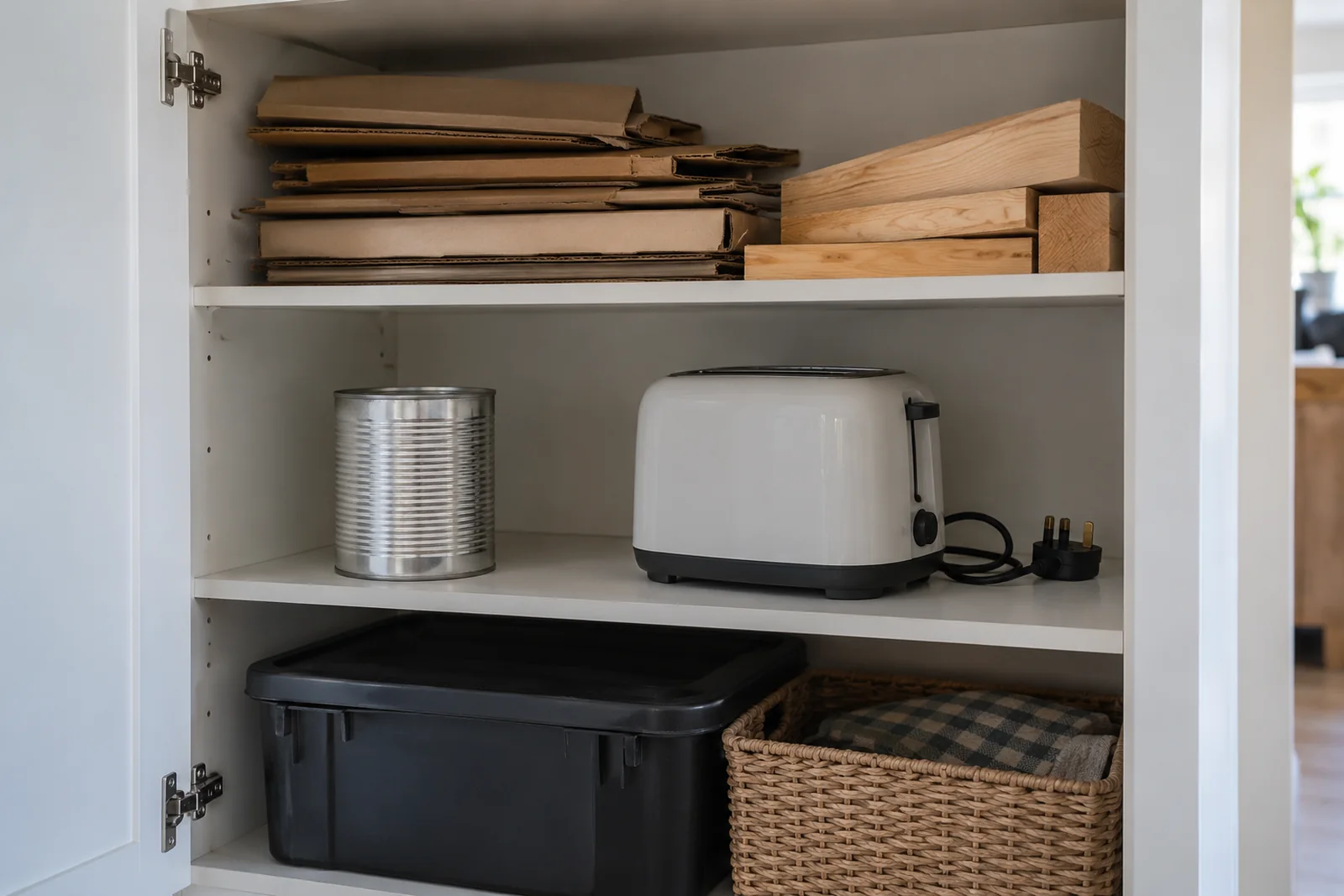
Keep electrical items, batteries, chemicals and unknown containers out of the ordinary rubbish. Arrange suitable disposal for each item. Do not hide them inside ordinary boxes to make the load look simpler. If you plan a household recycling-centre trip, check North Lanarkshire Council’s current recycling-centre rules. The council requires photo ID and proof of your address, and its household sites do not take commercial waste.
Check the route and the waste before booking
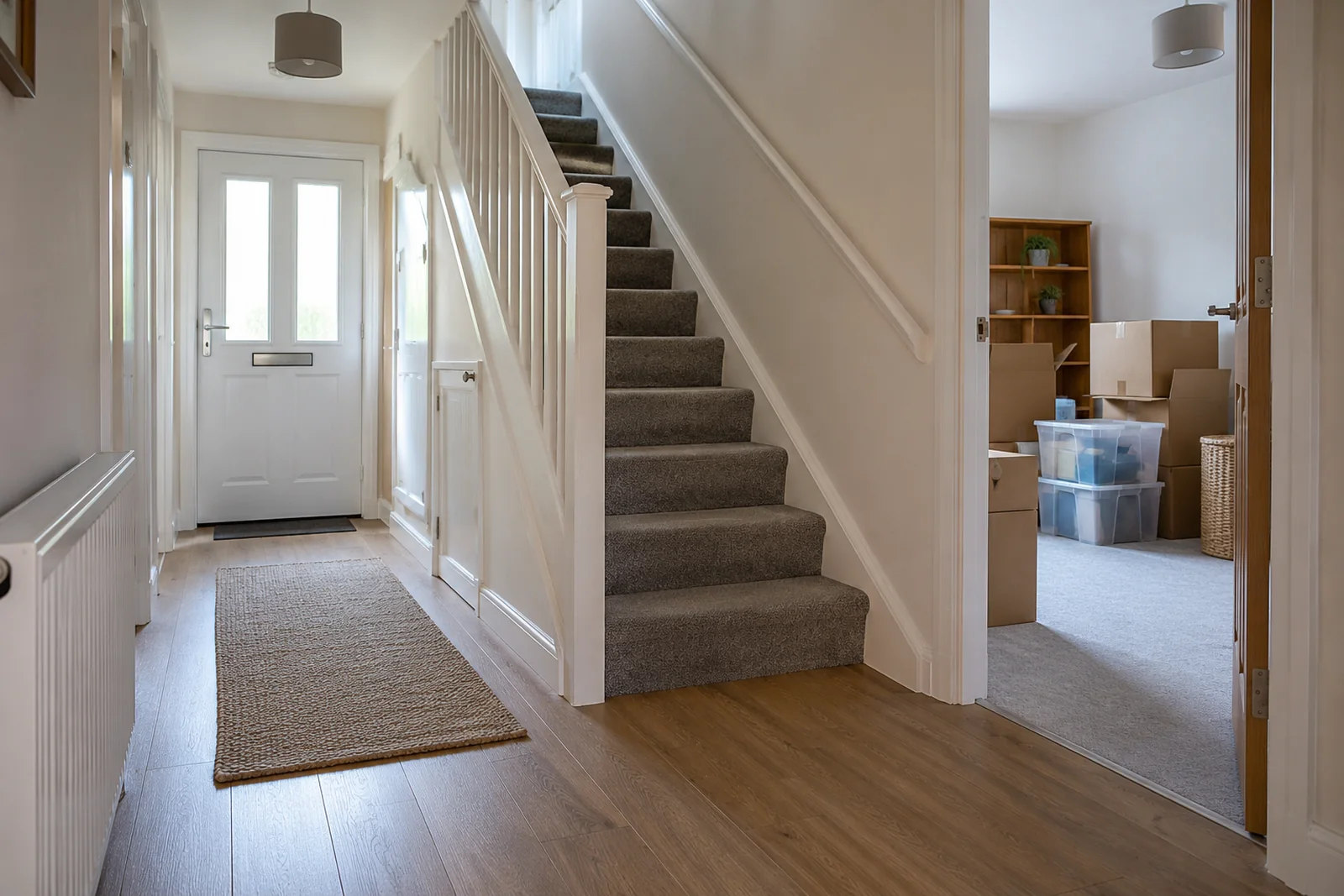
Look at how the agreed waste will leave the house. Note stairs, narrow doorways, shared entrances and the distance to a suitable vehicle position. Keep landings and the route out clear while sorting. Avoid filling a hallway with bags that someone will need to move again just to reach the front door.
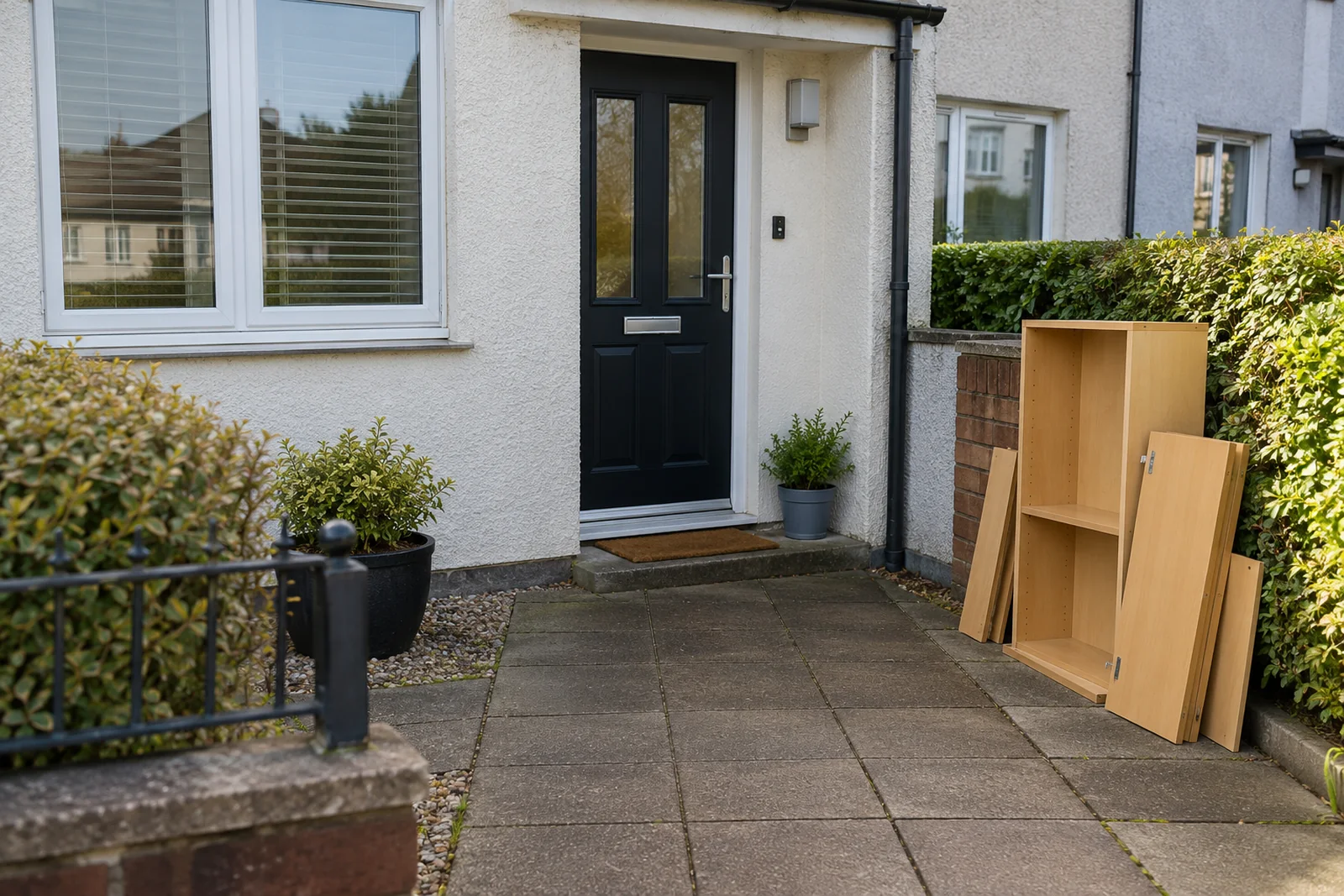
A hired skip suits a job where you can load the agreed waste yourself over the hire period. Our Cumbernauld rubbish-removal service offers lifting and loading for the agreed collection. Explain where the items are now and any awkward access when you call, so the work and price can be discussed properly.
For a skip, check the proposed position and delivery access as well as the waste. Use our first skip delivery checklist once the arrangements are agreed. Do not leave belongings outside while decisions are unfinished or assume a road space can be used without the necessary permission. Keep collection access separate from the area holding items that are staying.

Confirm the exact load before anything leaves
Before calling, use the agreed list to describe the waste that really needs taking away. Include rough amounts, bulky items, the postcode and access notes. Explain anything that needs separate handling. A collection based on a few agreed items is different from clearing every room, so say which parts of the house are included.

Agree what the quote covers, the collection arrangements and who will be available to identify the load. Tell other helpers when the collection is happening and keep one person available to answer questions. If the plan changes, call before adding new waste or moving everything to a different place. Do not assume the original price covers a larger load.
At the final check, compare the load with the list and look for any keep or undecided items that have been mixed in. Keep the booking details and collection paperwork. SEPA’s household waste guidance says waste must be passed to an authorised person. Check the relevant registration rather than treating a website badge as proof.
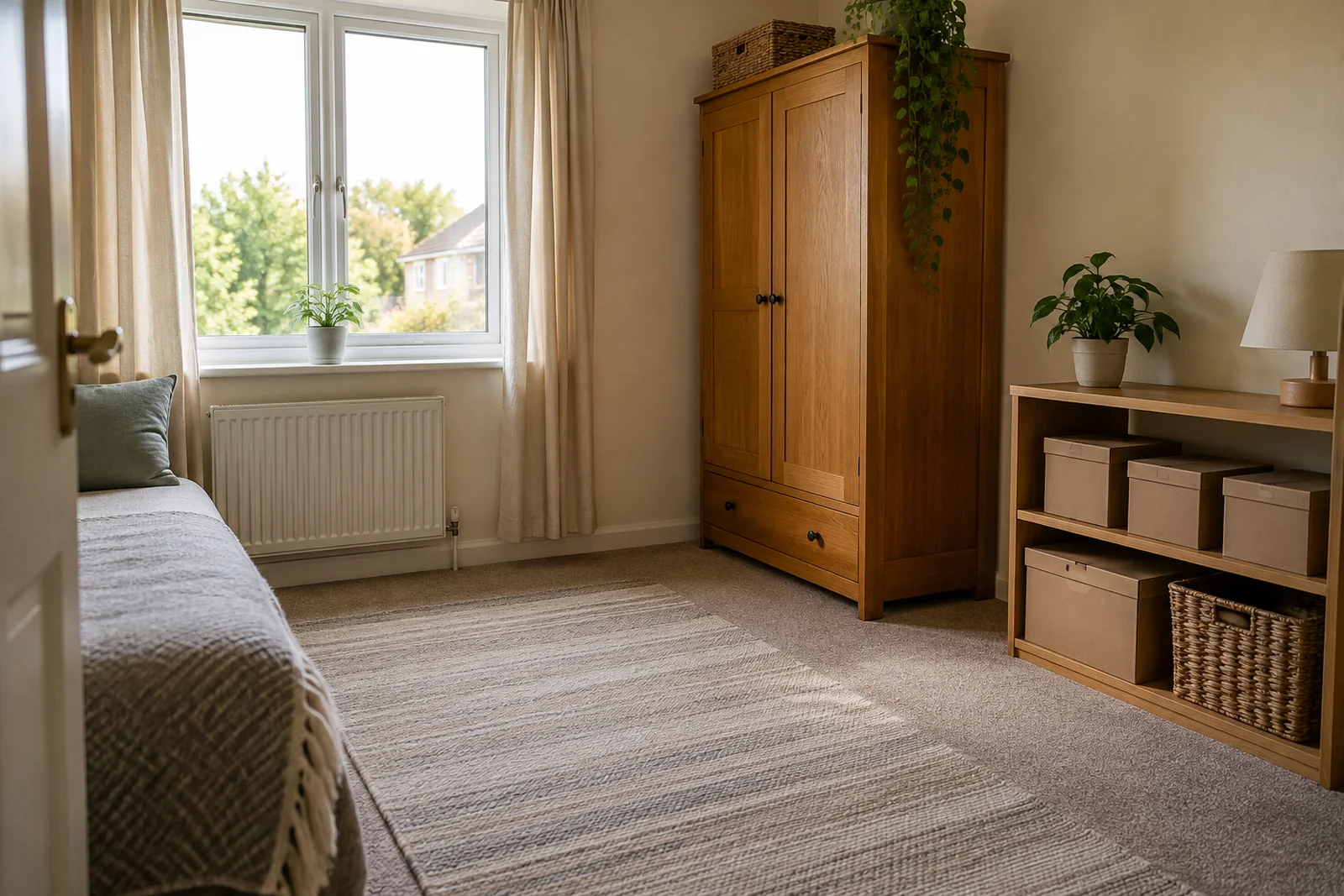
You do not have to settle every sentimental decision before making progress. Keep the agreed waste separate, protect the undecided belongings and arrange a collection around a load everyone can recognise. A clear list helps the caller, the people sorting and the collection team work from the same information.
For skip hire in Cumbernauld or an agreed rubbish collection, Call now on 01236 809239. Have your postcode, waste list and access details ready.